

Beyond the Balance Sheet: The Power of Intangible Capitals

In today’s fast-paced business landscape, the true drivers of success often lie beyond tangible assets. Intangible capitals – such as reputation, knowledge, and relationships— are the real game-changers for a company’s trajectory. These inevitable forces drive customer trust, innovation, and long-term stability.
Enter Certified Exit Planning Advisors (CEPAs) – experts who can harness intangible capitals to future-proof your business. Their expertise ensures you can strategically leverage the hidden value of intangible assets so your business can thrive. This article explores the profound impact of intangible assets so you can unleash their full potential with the help of CEPAs. Discover how a CEPA-led strategic plan can transform intangible assets into a roadmap for sustainable growth and future legacy.
The Hidden Power of Intangible Capitals: The Real Drivers of Business Value
Intangible capitals refers to non-physical assets that significantly contribute to a company’s value and competitive advantage. They are the invisible force that drives a company’s worth and defines its competitive edge. According to the Exit Planning Institute, these assets fall into four main categories:
- Customer Capital: The strength of customer relationships, brand loyalty, and market perception that drive revenue and retention.
- Social Capital: The company’s network, industry reputation, and ability to forge strategic partnerships.
- Human Capital: The expertise, skills, and innovation potential of employees that fuel growth and business adaptability.
- Structural Capital: Intellectual property, proprietary systems, operational processes, and technology that streamline efficiency and scalability.
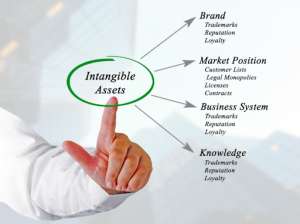 Studies into exit valuation show that intangible capitals account for approximately 80% of a business’s value. Unlike tangible assets such as machinery or real estate, intangible capitals are often harder to quantify but critical for long-term success. These assets, knowledge, reputation, and relationships, shape a company’s identity, influence customer loyalty, and drive innovation.
A strong reputation and strategic connections ensure resilience and growth. The companies that are investing their worth in intangible assets are future-proofing their business success. Optimizing these assets is essential for long-term sustainability in a competitive landscape.
Why Intangible Assets Are the Ultimate Growth Engine for Businesses
The critical value of intangible assets cannot be overstated. As the key drivers of sustained growth and market leadership, these assets play a pivotal role in:
- Powering Innovation: Establishing a strong knowledge base and an innovative culture leads to breakthroughs in product and service differentiation.
- Strengthening Customer Loyalty: Brand equity, trust, and customer relationships ensure consistent revenue and market dominance.
- Boosting Employee Engagement and Retention: A thriving workplace reduces turnover and leads to higher employee engagement.
- Driving Market Agility: Companies with solid reputations and agile strategies can weather economic shifts and market disruptions.
Businesses that effectively manage and demonstrate the strength of their intangible assets often attract more investment, as these factors indicate future growth potential. As such, investors are placing an increased premium on the worth of intangible assets.
How Intangible Capitals Drive Billion-Dollar Business Exits
Case studies of high-profile business exits reveal a powerful truth: intangible capitals help secure high-valuation deals because they attract premium acquisition prices. Namely, strong brand equity, customer loyalty, and strategic positioning as intangible capitals enable these businesses to get top dollar. Here are a few examples:
- LinkedIn’s Acquisition by Microsoft ($26.2B): More than simply a social network, LinkedIn’s market dominance, brand authority, and professional networking clout placed it as a giant in its sphere. These intangible assets, more than its mere technology, drove the asking rights for such a record-breaking valuation.
- Beats by Dr Dre’s Sale to Apple ($3B): Beats was more than just headphones; its brand prestige, celebrity influence, and deep emotional bonds with its customers wowed Apple into believing that brand loyalty and market perception were more impactful than the actual physical products. This showcased the power of brand equity in exit planning.
- Whole Foods’ Acquisition by Amazon ($13.7 Billion): Whole Foods’ strong brand reputation for quality, trust, and sustainability attracted a loyal customer base. Amazon saw the opportunity to integrate these intangible assets into its existing business model, demonstrating how customer trust and brand reputation can enhance acquisition value.
How Certified Exit Planning Advisors (CEPAs) Unlock Maximum Business Value
CEPAs play a crucial role in helping business owners navigate the complexities of exit planning. These professionals focus on optimizing both tangible and intangible assets to maximize business value and also create customized exit strategies to align with an owner’s financial, professional, and personal goals. Their expertise includes:
- Crafting a Personalized Exit Strategy Roadmap: Designing a strategic plan that ensures a business owner’s goals are achieved.
- Enhancing Business Valuation: Identifying key value drives and operational inefficiencies to bolster a company’s market appeal.
- Leading a Multidisciplinary Team: Coordinating the work of lawyers, accountants and financial advisors to ensure cohesive effort.
- Bridging Value Gaps: Addressing operational risks and optimizing business performance to appeal to premium buyers.
- Ensuring a Successful Transition: Helping business owners beyond the exit, be that for reinvestment, retirement or a new venture.
Turning Intangible Capitals into the Competitive Edge for Exit Planning
Effectively leveraging intangible assets is the key to maximizing value and attracting premium buyers. Strategically optimizing these invaluable assets, including brand reputation, customer loyalty, company culture, and intellectual property, will help secure maximum value for your exit. Here’s how:
- Conduct a Comprehensive Asset Audit: Analyze brand reputation, customer relationships, intellectual property, and company culture and identify areas for improvement.
- Invest in Talent and Organizational Growth: Fortify human capital through leadership training, employee development initiatives, and an innovative work environment.
- Enhance Customer Loyalty and Brand Trust: Implement strategies that strengthen customer relationships through loyalty initiatives and uniform brand messaging.
- Systematize Proprietary Processes: Organize efficiency workflows and scalable systems to boost acquisition appeal.
- Position Intangible Assets as a Value Driver: Drive your unique value proposition by emphasizing customer trust, proprietary assets, and strategic alliances during the exit stage.
Choosing the Right CEPA: The Key to a High-Value Exit
Selecting the right Certified Exit Planning Advisor (CEPA) is critical to defining the success of your business exit. The ideal CEPA brings:
- Deep expertise in exit planning methodologies and value acceleration models.
- A strong network of financial, legal, and industry professionals.
- A proven track record of successful exit planning strategies.
By partnering with a CEPA, business owners benefit from personalized planning, enhanced business valuations, and a smoother transition process.
Conclusion: Unlocking Maximum Business Value with Intangible Capitals and Expert Strategy
 Intangible capitals are the hidden powerhouses of business success and significantly impact exit planning strategies. Companies that strategically leverage these capitals secure stronger exits, higher valuations, and lasting legacies. As the business landscape continues to evolve, leveraging these assets effectively becomes essential for securing a prosperous future.
Working with a CEPA helps business owners maximize intangible capitals. Through strategic planning, valuation enhancement, and expert guidance, they can ensure a successful exit while securing an enduring legacy and long-term business value.
By leveraging intangible capitals and strategic exit planning, business owners can maximize growth, increase valuations, and transition smoothly. With expert guidance and careful execution, they can ensure a successful, rewarding, and transformative exit while securing their business legacy.